Chura-saishoku
Island vegetables&food cleanse
Here in Yanbaru, northern Okinawa, we carefully take care of the vegetables that are grown in the sun and make them carefully to bring out the flavor of each ingredient.
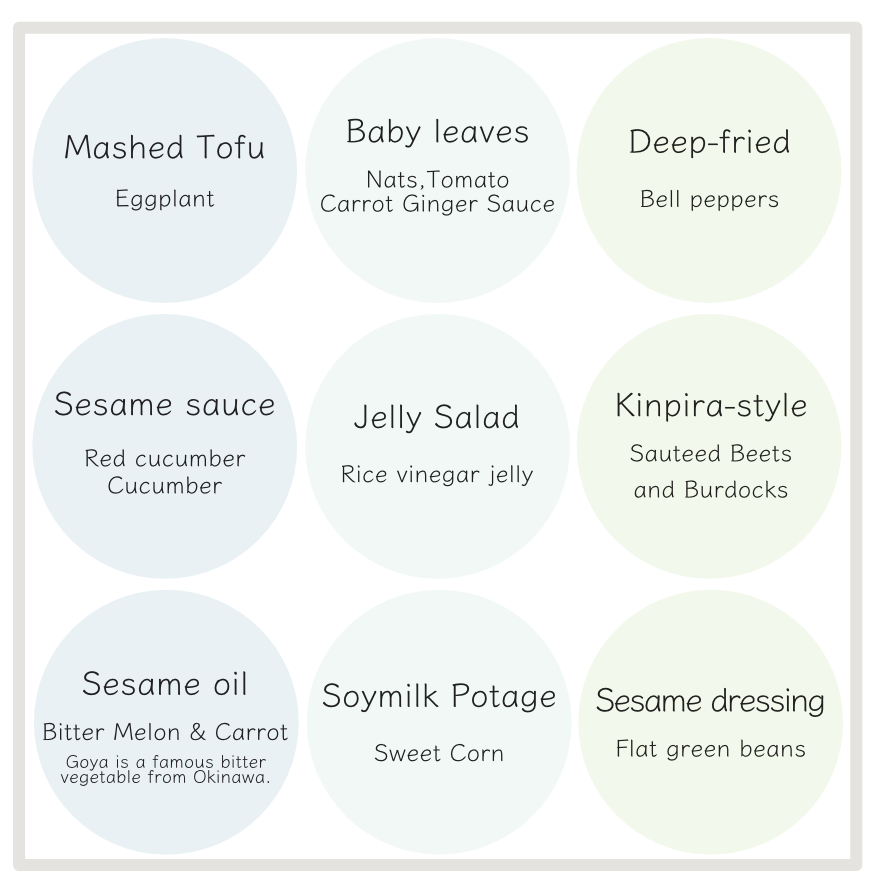
Jelly salad
Broccoli, Cauliflore, Okura, Red okura, Sweet tomato, Cucumber, Winged bean
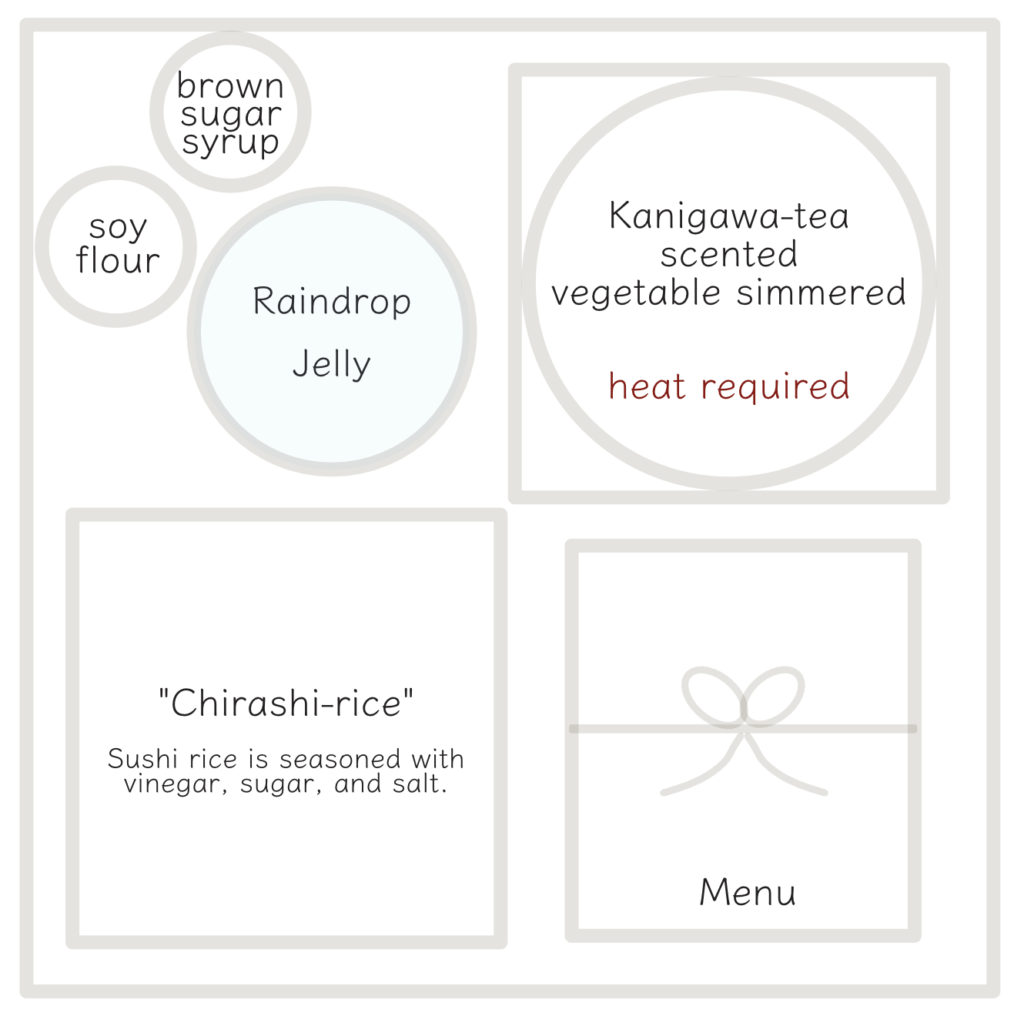
Vegetable Simmered
Turnips, Taro, New potatoes, Mushroom, Abalone mushroom, Snow peas, Gra-para leaf
Chirashi-rice
Vegetable Chirashi-rice
Shiitake mushrooms, button mushrooms, king oyster mushrooms, shimeji mushrooms, okra, red bell peppers, baby corn, asparagus
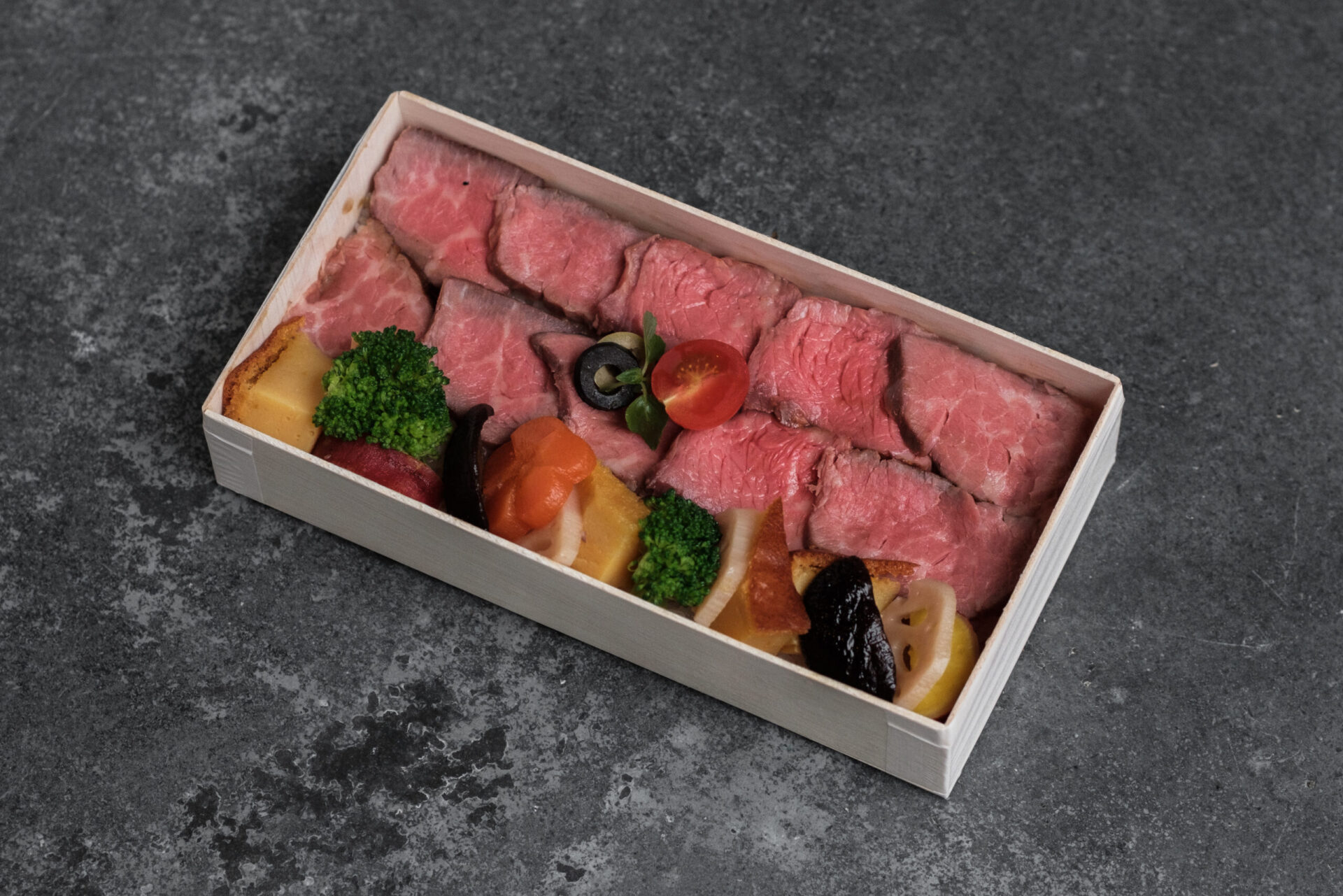
Beef Chirashi-rice
t is a roast beef made from Motobu Beef, a luxury brand of Japanese black wagyu raised in Okinawa.
Fish Chirashi-rice
Red sea bream lightly cured with sea salt from the neighboring Yagachi Island, marinated in a clear soy sauce.
The small red balls are flying fish roe.
ヤンバル”YANBARU”
The northern region of Okinawa is called “Yanbaru.”
In the Okinawan dialect, “yan” means mountain and “baru” means grassland.
True to its name, mountains exist only in the north.
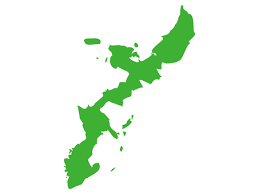
Okinawa is a small island, approximately 110 km long and 30 km wide,
but did you know its composition differs between the north and south?
The northern part of Okinawa was separated from the mainland in the same manner as the Japanese archipelago, existing as an island for 5 to 6 million years. Much of the Motobu Peninsula consists of strata formed primarily from mudstone around this period. The area around Nakijin Castle Ruins and Motobu Town is composed of ancient limestone dating back 200 million years and is known as Japan’s only region featuring cone-shaped karst terrain.
In contrast, the southern region emerged 1.6 million years ago when the sea level dropped. This area consists of strata formed by Ryukyu limestone. Kouri Island itself was formed when Ryukyu limestone developed atop strata primarily composed of mudstone.
Soils with different origins have different pH levels, leading to variations in the plants that thrive there.
Much of the northern region has acidic red soil called Kunigami Mahji soil, suitable for pineapples, watermelons, root vegetables, and citrus fruits.
The soil of the Motobu Peninsula, primarily composed of mudstone, is a weakly alkaline red soil called Shimajiri Mahji soil, ideal for leafy vegetables, island garlic chives, and onions.
This diversity of soils gives Yambaru its rich variety of vegetables.
Let us introduce these fresh vegetables.
Here are some of our staple vegetables (including some we’re using today)
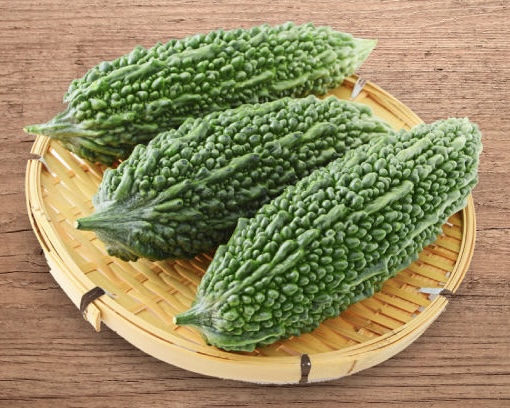
蔓茘枝 ツルレイシ
沖縄名:ゴーヤー、ゴーヤ Go-ya
One bitter melon contains about five times the vitamin C of one cucumber or tomato, and about twice that of one lemon. While vitamin C is typically sensitive to heat, bitter melon is notably heat-resistant among vegetables. The photo shows Abashi bitter melon, which has a mild bitterness.
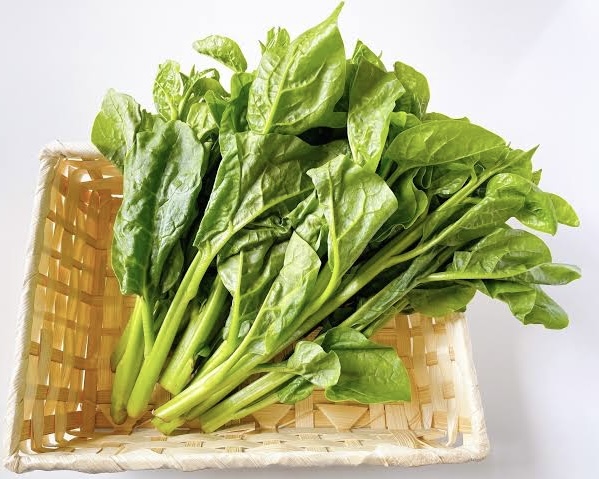
蔓紫 ツルムラサキ
沖縄名:ジービン Malabar Spinach
It contains four times more calcium than spinach and is also rich in beta-carotene and vitamin C. It is also very high in minerals such as iron, and its other nutrient levels are very similar to komatsuna.
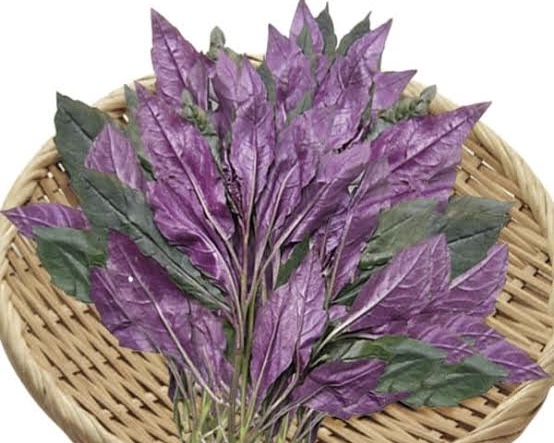
水前寺菜/金時草(キンジソウ)/ふじ美草/伊達むらさき/ガラシャ菜など
沖縄名:ハンダマ
A regional vegetable cultivated throughout Japan, yet unknown to many. Its name also varies by region.
It is rich in beta-carotene, vitamin C, and iron. The reddish-purple pigment in its leaves is anthocyanin, a type of polyphenol, which is expected to have antioxidant effects. Furthermore, its slimy component is a mixture of mucoprotein, said to lower blood sugar and blood cholesterol levels.
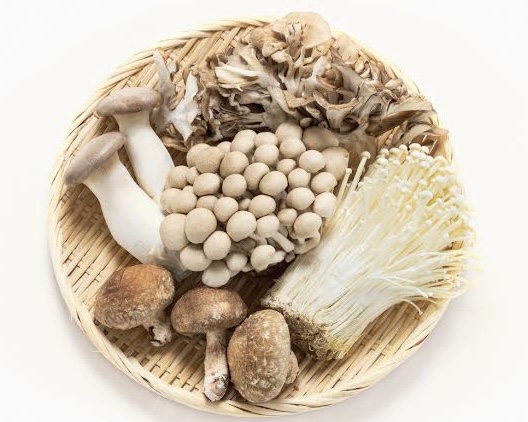
きのこ類
しいたけ、えのき、ぶなしめじ、くろあわびたけ、ひらたけ、エリンギなど。
Local produce is often praised for its freshness, but Okinawan mushrooms are truly exceptional!
They boast a firm texture and rich flavor, and the aroma of freshly harvested mushrooms is astonishingly potent.
モロッコインゲン・平インゲン
沖縄名:シュガグリーン Italian Flat Beans
With a flat appearance resembling green beans, they are sweeter and crisper than regular green beans. They are rich in vitamin K, asparagine, and minerals. This highly nutritious vegetable helps combat summer fatigue and loss of appetite during hot weather. It’s packed with vitamin K, which strengthens bones. It also contains abundant aspartic acid, effective for fatigue recovery, along with amino acids like lysine and minerals such as potassium, making it a versatile vegetable.
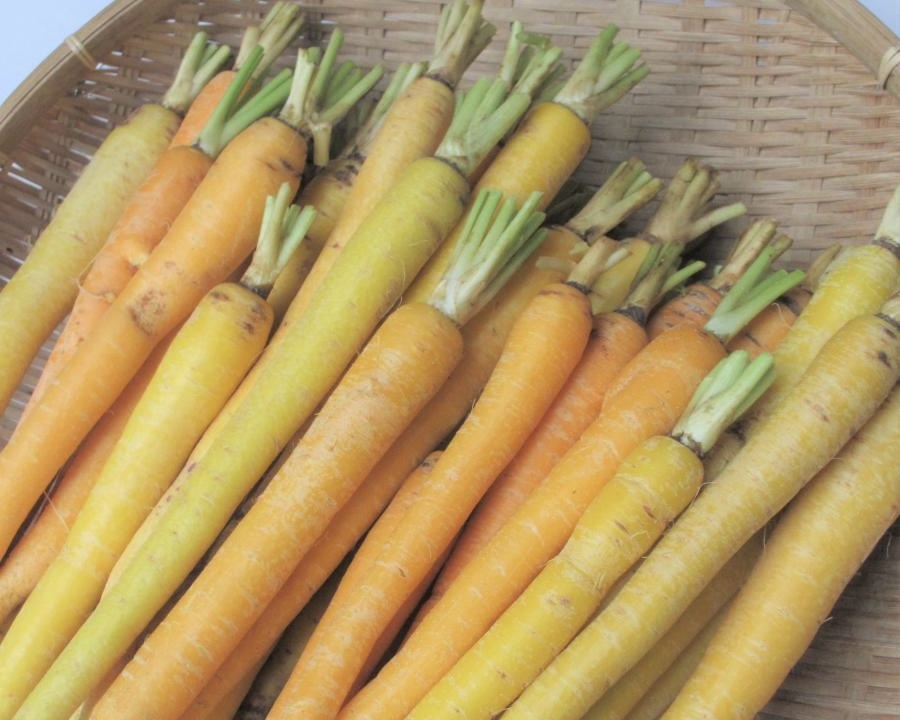
島人参
沖縄名:チデークニ 「チ」は黄「デークニ」は大根 Yellow Oriental Carrot「Deːkuni」
This Okinawan native variety is characterized by its yellow color, though it was once widely cultivated throughout Japan from the Tohoku region to Kyushu. Compared to ordinary carrots, it is sweeter, softer, and has a stronger aroma.
Rich in carotene, it has long been valued as a nutritious food in Okinawa. Its high carotene content converts to vitamin A, contributing to maintaining vision and boosting immunity. It also contains vitamin C and iron, making its overall high nutritional value appealing.
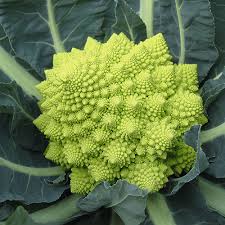
ロマネスコ
沖縄名:ロマネスコ Romanesco
A vegetable between broccoli and cauliflower. Romanesco, which actually has cultivation records dating back to 16th-century Rome. Achieving its impressive fractal structure is no easy feat, and it wasn’t until the 1990s that large-scale cultivation began. Taxonomically classified as cauliflower, its name originates from the Italian “Broccolo Romanesco” (meaning Roman broccoli).
It contains 1.6 times more vitamin C than lemon juice and 1.6 times more dietary fiber than cabbage. It’s also rich in potassium, which is expected to help reduce water retention.
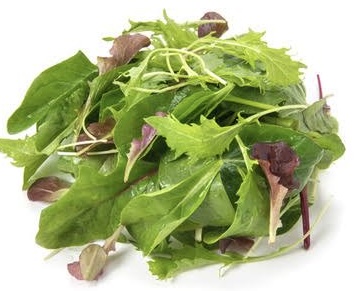
ベビーリーフ
Baby leaf refers to greens harvested within 30 days of sprouting. They are rich in nutrients essential for growth, making them more nutritious than mature vegetables. They are grown pesticide-free in Okinawa, with varieties changing according to the season.
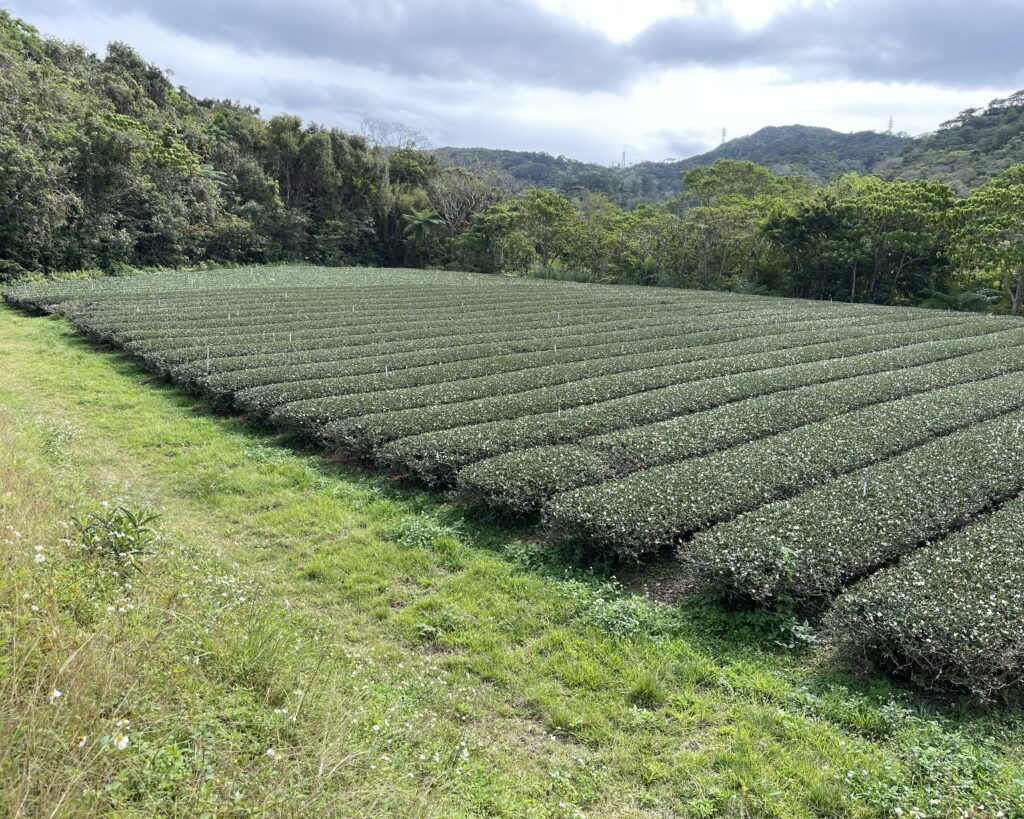
金川製茶(カニガワセイチャ) Kanigawa-Black Tea
Kanigawa Seicha, a tea producer and processor in Nago with over 60 years of history.
Mr. Higa, the fourth-generation owner, learned much about green tea during his studies in Shizuoka. After returning, he initially focused on green tea production but became captivated by black tea’s potential, shifting his efforts there. “Just working hard isn’t enough. There’s still so much I don’t know,” he says. His diligent and earnest nature fuels his research, leading to the profound flavor of his black teas. The black teas created by Mr. Higa, who remains dedicated to producing aromatic teas, have achieved the remarkable feat of winning awards at the National Black Tea Grand Prix for three consecutive years.
Vegetables from other seasons
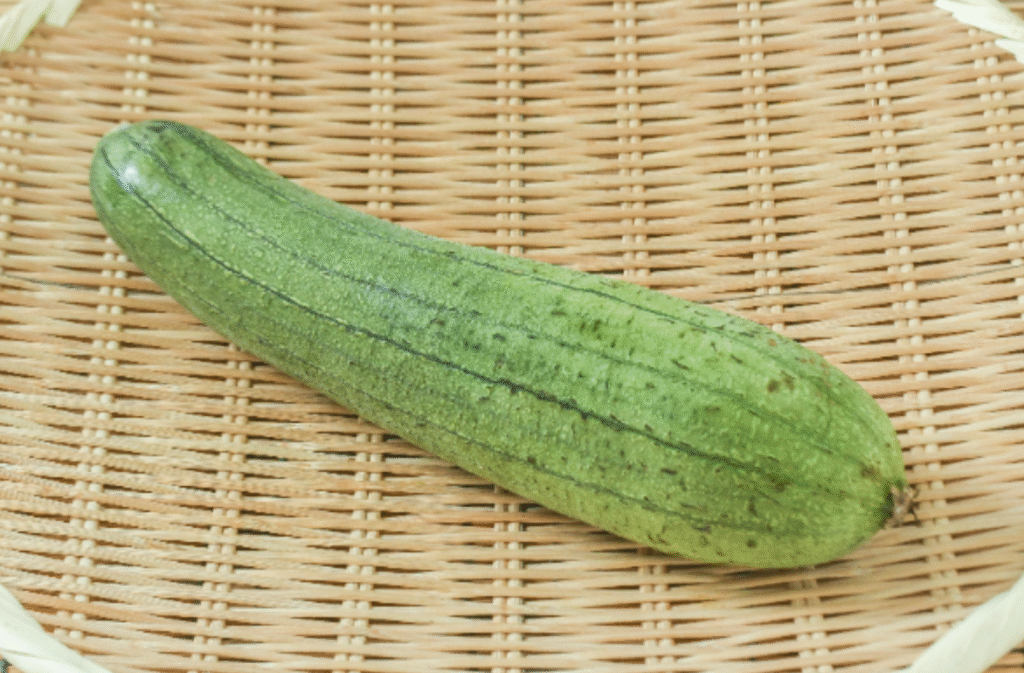
糸瓜 へちま Sponge gourd
沖縄名:ナーベーラー
Its smooth texture, mellow sweetness, and unique flavor are sure to whet your appetite. The soft seeds are cooked along with the rest of the vegetable. Rich in vitamins and minerals, it’s a summer staple that’s also good for your skin. Since most Sponge gourd varieties available today have been bred for human consumption, they’re easier to eat than they used to be.
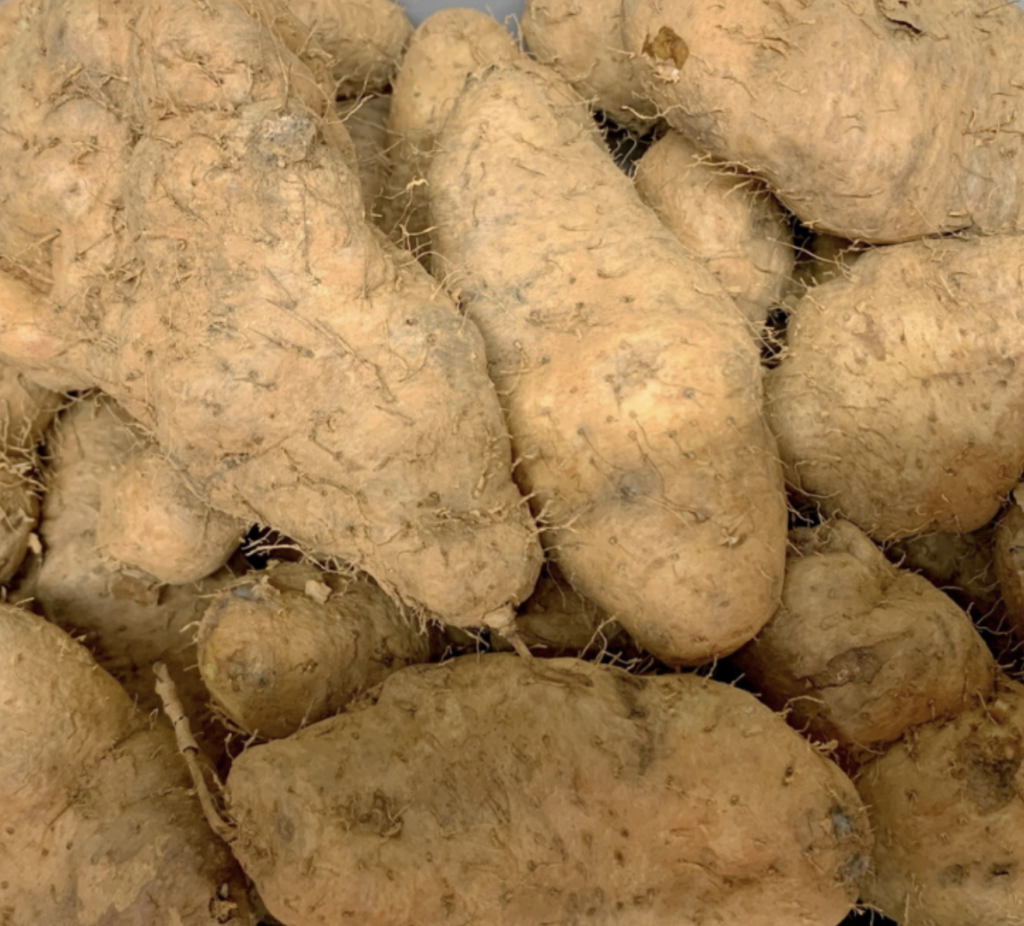
クーガ芋 Lesser Yam
沖縄名:トゲイモ、ハリイモ、タマゴイモ
This is a wild yam belonging to the Dioscorea genus of the Dioscoreaceae family, which has been cultivated in Okinawa since ancient times; it is a subtropical plant. Because it is grown in “Shimajiri Maji”—a neutral soil unique to Okinawa—it has a distinctive sweetness and richness of flavor. Characterized by its yellowish-brown skin and strong stickiness, it is known for its exceptional health benefits. One nutrient gaining attention is diosgenin. Its health benefits, such as improving memory and preventing cognitive decline, are gradually being elucidated.
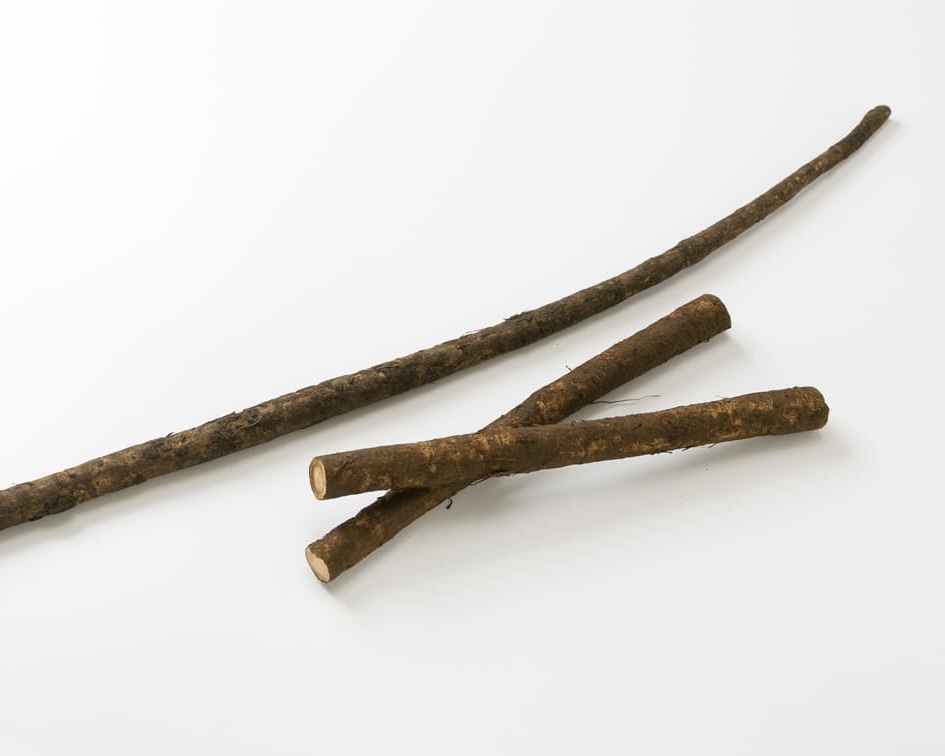
島ごぼう burdock
沖縄名:島ごぼう・「クンボー」
They vary wildly in appearance, shape, and size. These “island burdock” roots look just like tree roots.
They are an indispensable ingredient in Okinawan “ojū” (layered bento boxes). They are also rich in minerals such as potassium, magnesium, zinc, and copper. They are mentioned in the Gosen Honzō (Imperial Dietary Herbal) from the Ryukyu Kingdom era, and have long been said to be effective for detoxification, edema, and sore throats. Burdock is not consumed as a food outside of Japan.
It is considered the only example of a foreign plant that has been cultivated as a crop in Japan.
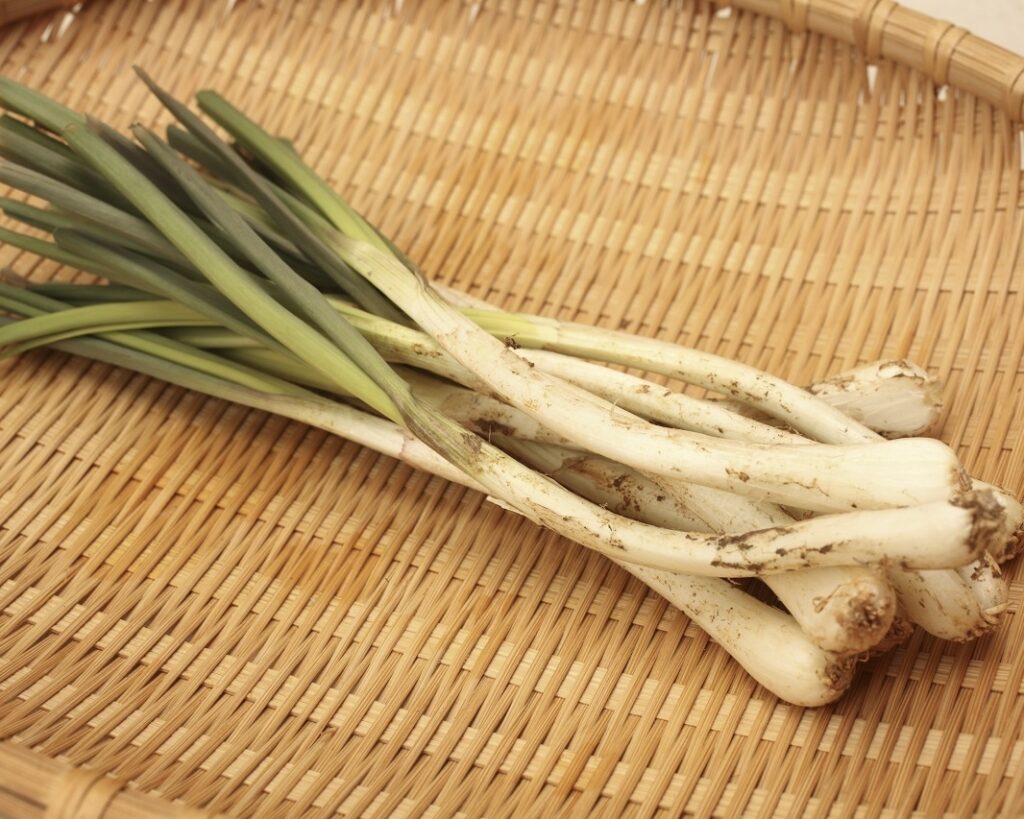
島らっきょう
沖縄名:ラッチョウ 、 ダッチョー
A variety of rakkyo unique to Okinawa Prefecture. Compared to the common rakkyo grown on the mainland, it is smaller, has a stronger aroma, and features a unique spiciness with a savory umami flavor. “Allicin,” the compound responsible for its strong aroma, aids the body’s absorption of vitamin B1 and is believed to help relieve fatigue, boost vitality, and promote hair growth. It contains about 3 to 4 times as much dietary fiber as burdock root, which is said to help regulate the intestinal environment and relieve constipation, as well as suppress blood sugar spikes and lower cholesterol levels. It also contains “adenosine,” which thins the blood and helps prevent high blood pressure and arteriosclerosis, making it packed with benefits for both beauty and health.
冬瓜 Winter melon
沖縄名:シブイ
It is a staple ingredient in Okinawan cuisine. As its name suggests, it is harvested in the summer, but because it can be stored until winter, it is highly valued as a storage vegetable. Although it is a low-calorie food consisting of 96 percent water, it is rich in vitamin C and potassium. In Okinawa, the dried seeds and peel are boiled to make a decoction, which is drunk to relieve ailments such as sore throats. The fruit itself is also eaten to maintain kidney health. It is also sometimes consumed as a decoction to relieve constipation.
As a traditional confection of the Ryukyu Kingdom, there is a labor-intensive candied treat called “Amazake-ni Winter Melon.” To the best of my knowledge, this is only available by advance reservation at “Kippan” on Kokusai Street.
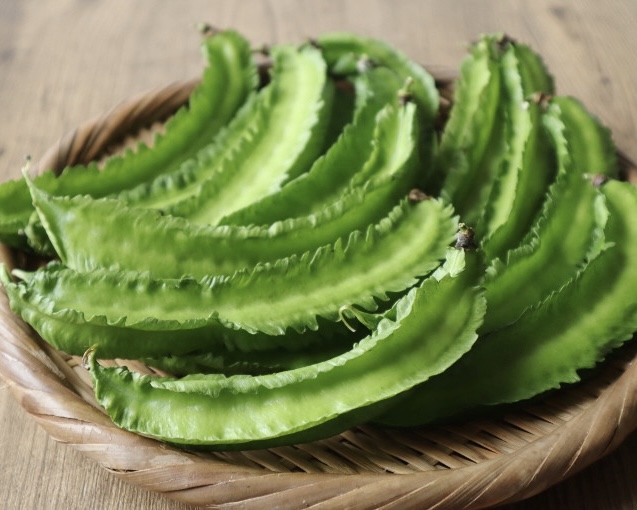
四角豆 シカクマメ
沖縄名:うりずん豆
Square beans were promoted by a national research center in the 1980s to help alleviate vegetable shortages in Okinawa. Their history is relatively recent, and they are now widely cultivated in southern Japan, particularly in Okinawa. They are rich in protein, vitamins A and C, and vitamin K, and these nutrients help promote healthy skin and maintain bone health.
In Okinawa, they are called “Urizun beans,” a name derived from the fact that cultivation is said to begin during the “Urizun” season—a term in the Okinawan dialect meaning “the beginning of moisture.” Urizun refers to the refreshing season around the second to third month of the lunar calendar (from the spring equinox to just before the start of the rainy season), when young leaves sprout and moisture permeates the plants.
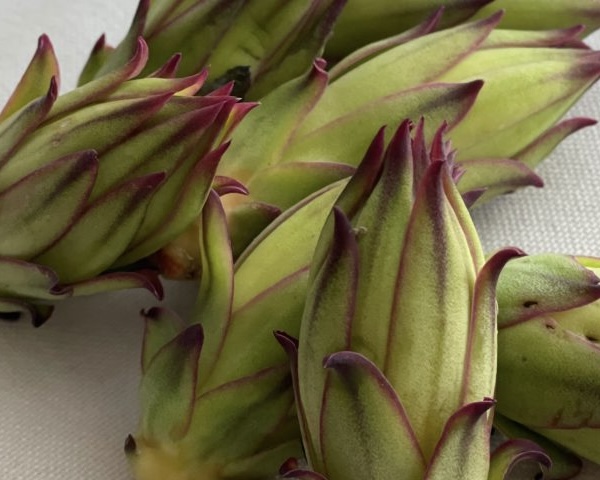
ドラゴンフルーツの蕾 Dragon fruit bud
沖縄名:ドラゴンフルーツの蕾
The green buds are harvested before they bloom and eaten as a vegetable. They have a slimy texture similar to okra and a mild, neutral flavor. They contain antioxidants, vitamin C (which boosts the immune system), fiber (which aids digestion), potassium, calcium, and iron.
In Latin America, dragon fruit flower buds are sliced and rubbed onto insect bites as a natural remedy; they are used as a soothing gel to relieve itching and inflammation.
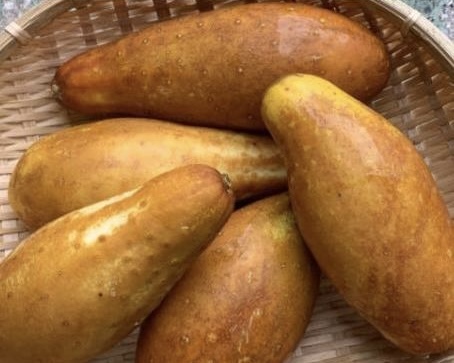
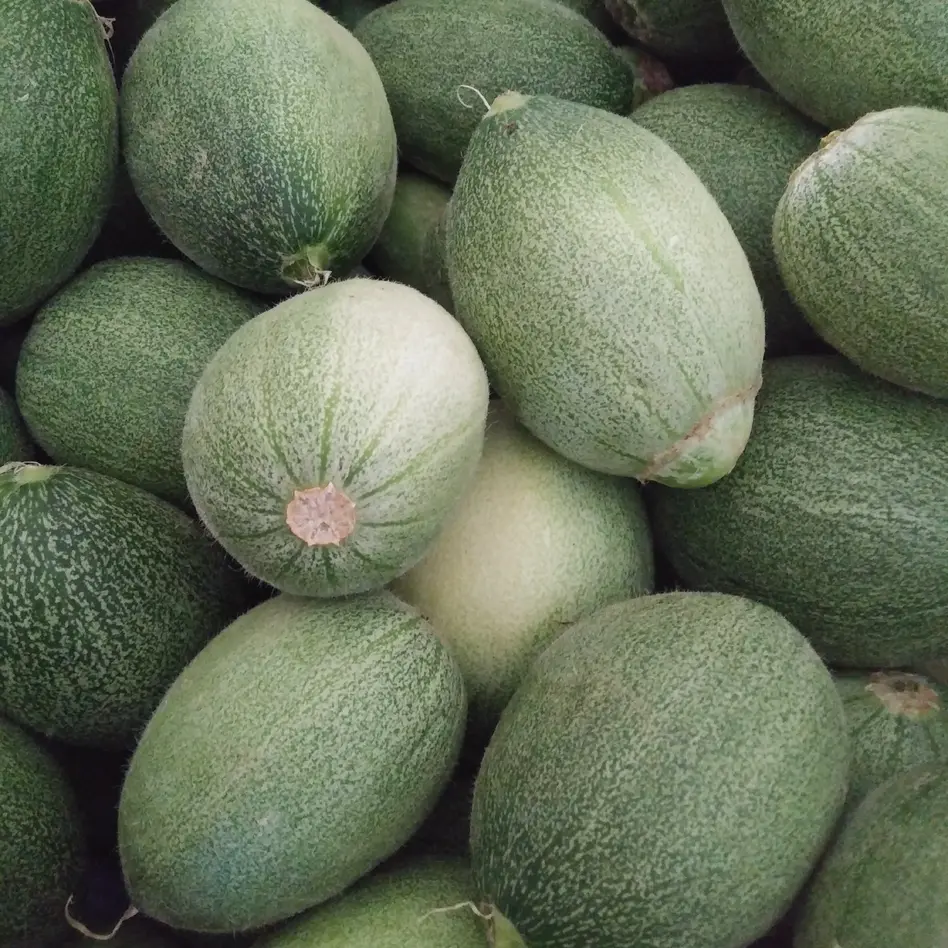
赤毛瓜 アカゲウリ Okinawan yellow cucumber
沖縄名:モーウィ、モーイ
Although it’s mostly water, it’s a staple summer vegetable in Okinawa that can withstand typhoons and other harsh weather. It’s a highly nutritious vegetable rich in vitamin C, potassium, and dietary fiber.
It’s characterized by its firm flesh and a less grassy taste than cucumbers.
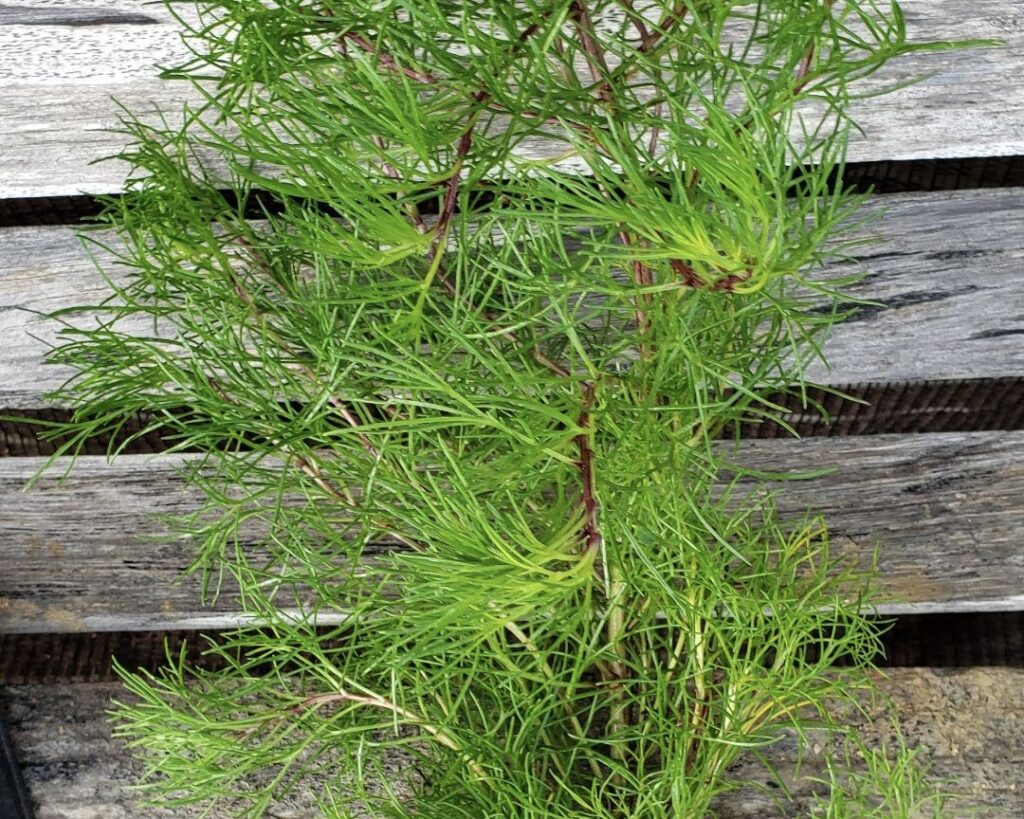
琉球よもぎ Ryukyu Yomogi
沖縄名:ハママーチ
Hama-march belongs to the same Asteraceae family as mugwort, but its appearance is quite different; it resembles rosemary leaves that are longer and softer.
It lacks the strong bitterness of mugwort and has a very refreshing scent reminiscent of a meadow. It is also rich in vitamin A, which helps protect the skin and the mucous membranes of the nose and throat, and is expected to help prevent infections and boost immunity.
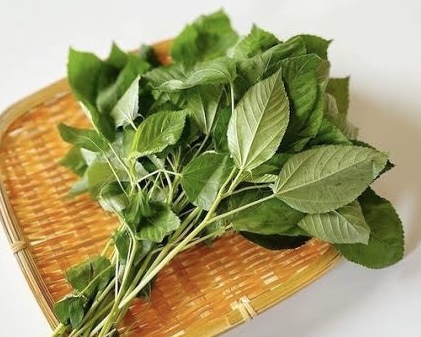
縞綱麻 モロヘイヤ Molokhia
沖縄名:モロヘイヤ
It contains twice as much beta-carotene as spinach! It’s also rich in vitamins and minerals such as B2, C, E, K, calcium, and copper. It’s said that the name “mulukhiya”—which means “the vegetable the king eats” in Arabic—comes from the story of an ancient Egyptian king who recovered from an illness after eating molokhia.
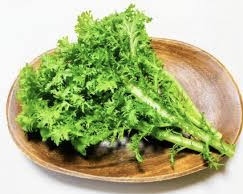
芥子菜 カラシ菜 Mustard greens
沖縄名:シマナー
A variety of mustard greens native to the mainland, Okinawan mustard greens have a mild, slightly spicy flavor that makes them suitable for salads and other dishes. When the leaves are pickled, they are called “Chikina.” It is highly nutritious, containing abundant amounts of carotene, vitamin C, potassium, and other nutrients. It contains more calcium than milk and 1.5 times as much folate as broccoli. It is also rich in vitamin U (S-methylmethionine), which is believed to have anti-ulcer properties in the digestive tract.
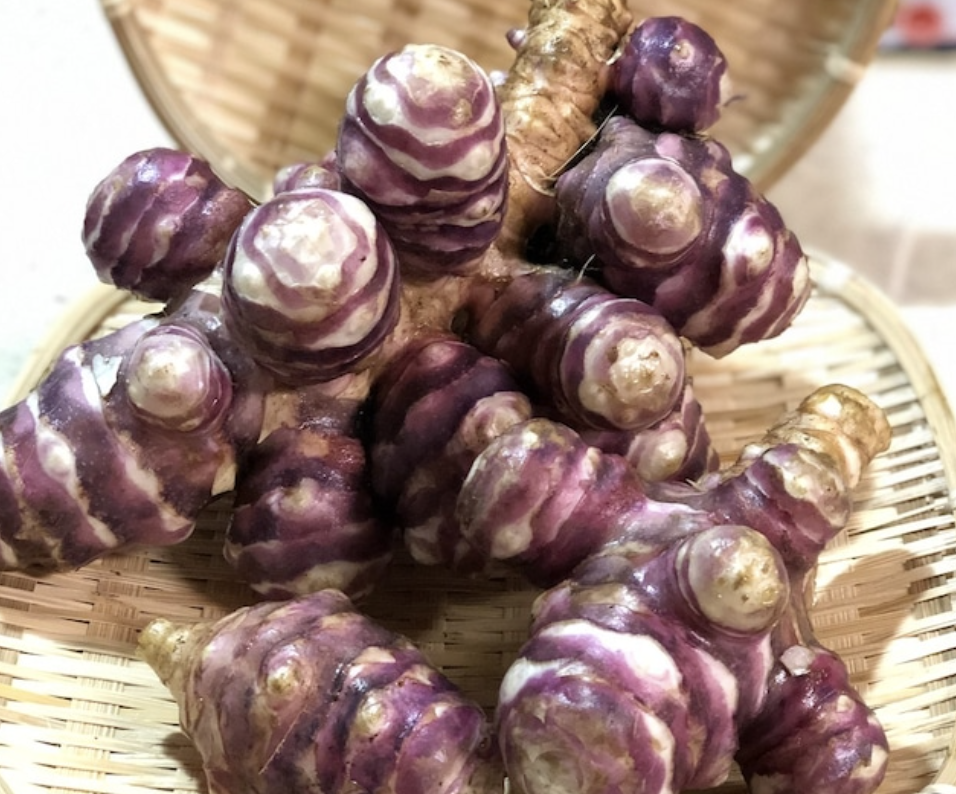
菊芋 キクイモ Jerusalem artichoke
沖縄名:キクイモ
From November through December, yellow chrysanthemum-like flowers sway in the breeze along roadsides and in gardens throughout the northern region. Growing over 2 meters tall, these flowers—which might make you wonder for a moment if they’re sunflowers—are Jerusalem artichokes.
True to their name, they bloom with beautiful flowers resembling chrysanthemums, and their nutrient-rich tubers make them a superfood that supports our health. Jerusalem artichokes contain “inulin,” a water-soluble dietary fiber, and are rich in potassium, which is why they’re also called “natural insulin.” Inulin helps suppress rises in blood sugar levels. Additionally, potassium promotes the excretion of sodium and is expected to help keep blood pressure from rising. They’re also rich in vitamin C and dietary fiber, contributing to overall health.
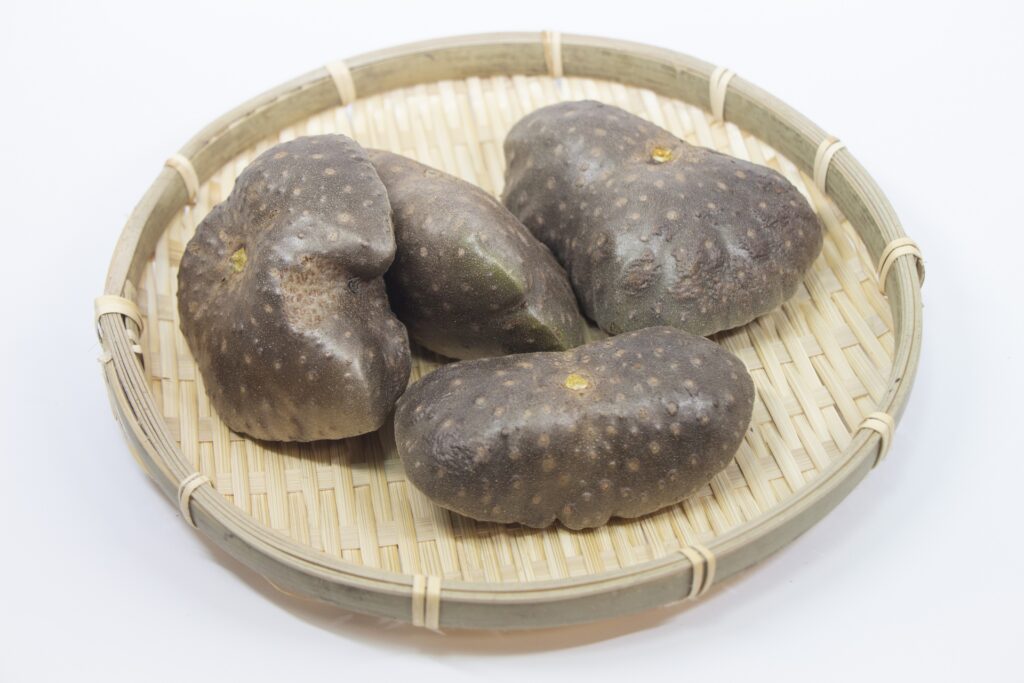
宇宙芋(エアーポテト)
沖縄名:そらいも
Space Yam is a vine-like plant classified under the genus Tokoro in the Dioscoreaceae family. It is characterized by forming large tubers above ground rather than underground, and these tubers can grow to be 5–10 cm in size. It was named “Space Yam” because its shape resembles a meteorite. It is rich in polyphenols and potassium, and while low in calories, it is also high in dietary fiber. Space Yam is a vine-like plant classified under the genus Tokoro of the Dioscoreaceae family. It is characterized by forming large tubers above ground rather than underground, with sizes ranging from 5 to 10 cm. It was named “Space Yam” because its shape resembles a meteorite. It is rich in polyphenols and potassium, and while low in calories, it is also high in dietary fiber.
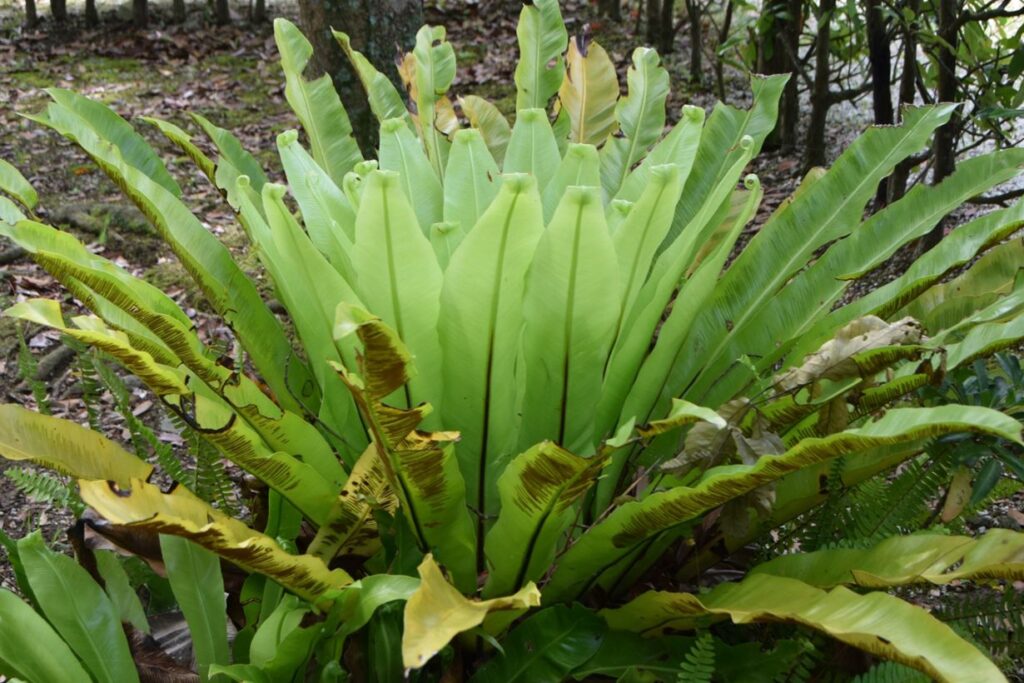
大谷渡 オオタニワタリ
沖縄名:フィラムシルー、フチィビィ、サムムス
This is a large, evergreen fern of the genus Asplenium in the family Aspleniaceae, commonly found in Okinawa growing epiphytically on trees and rocks. Its young shoots are prized for their crunchy texture. It is the only wild vegetable commercially available in Okinawa. It is rich in nutrients, including vitamins A, C, and K. In the Yaeyama region in particular, it is highly valued as an indispensable ingredient for festivals and special occasions.
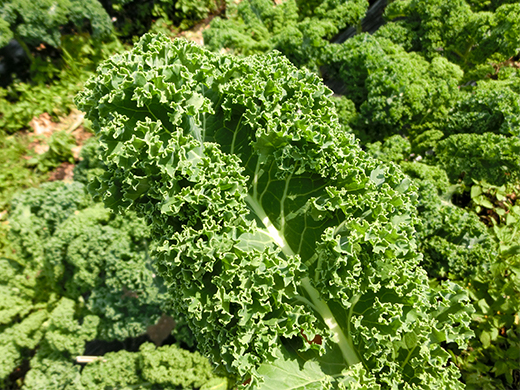
ケール
沖縄名:ケール
Kale is a vegetable belonging to the Brassicaceae family and is considered the wild ancestor of various vegetables. Familiar vegetables such as cabbage, broccoli, and cauliflower actually trace their origins back to wild kale. Kale is popular as a superfood, known as the “King of Vegetables” due to its well-balanced and exceptionally high nutritional value. In Japan, it is popular as a green juice. It contains more than twice the nutrients of comparable vegetables. For example, it provides the equivalent of about three tomatoes’ worth of beta-carotene—which is converted into vitamin A in the body and is believed to have anti-aging effects—and about two carrots’ worth of vitamin E. Since just one or two leaves provide the same amount of these nutrients, it’s no wonder it’s called the “King of Vegetables.” It also contains vitamin C, folate, dietary fiber, lutein, iron, and calcium. Since cutting it releases a bitter taste, tearing the leaves by hand and drizzling them with dressing, or briefly blanching them in hot water, helps reduce the bitterness and makes them easier to eat.
里芋
沖縄名:チンヌク
Okinawan taro is slightly less starchy than the variety found on the mainland, falling somewhere between taro and field taro; it looks similar to ebi-imo, but there doesn’t seem to be a specific variety for it. This starch contains a nutrient called “galactan.” This is a type of water-soluble dietary fiber that dissolves easily in water; it slows the absorption of carbohydrates, thereby helping to keep blood sugar levels from spiking. They are also rich in the mineral “potassium,” which helps eliminate excess water from the body and is effective in preventing high blood pressure and edema.
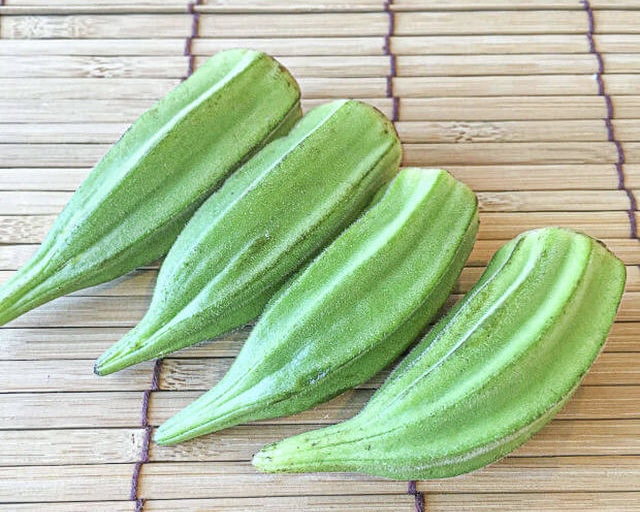
陸蓮根 アメリカネリ/オクラ
沖縄名:オクラ
Round Okra (Island Okra): Characterized by its round cross-section and tender texture even when fully grown. The flavor remains the same.
Red Okra: A dark purplish-red variety containing anthocyanins in its pods, which turn green when cooked. It is relatively tender with a rich flavor and is suitable for eating raw.
Star of David: A traditional variety grown in Israel that is large in size. See the photo on the right.
沖縄豆腐 おきなわとうふ
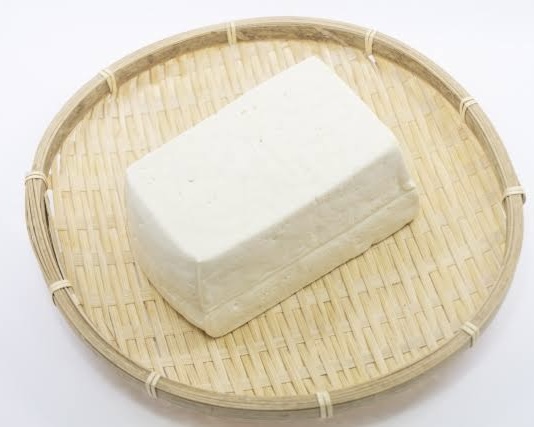
沖縄名:島豆腐・地釜豆腐
While regular tofu on the mainland is typically boiled and then separated into soy milk and okara before being set, traditional island tofu is made using the “raw-pressing” method: ground soybeans are pressed to separate the soy milk from the raw okara, and then nigari, water, and salt are added to the soy milk, which is simmered until it sets. As a result, it contains 1.5 times the soy protein of regular tofu! Made with natural seawater, island tofu is also rich in minerals. Because it is simmered in a traditional iron pot, the tofu has a distinctive aroma. If you’re sensitive to strong smells, try island tofu that doesn’t specify the “traditional iron pot” method.
Additionally, Okinawan supermarkets carry “yushi tofu” (packaged in plastic bags), which is sold in a fluffy, uncured state. It’s typically eaten in bonito broth. Enjoy this unique way of eating tofu that you won’t find on the mainland.
摘果 てきか・てっか
This refers to the practice of thinning out some of the fruit—such as mangoes, melons, watermelons, and corn—while they are still young, in order to produce large, flavorful fruit year after year.
The specific crops vary by season.
沖縄県産 米
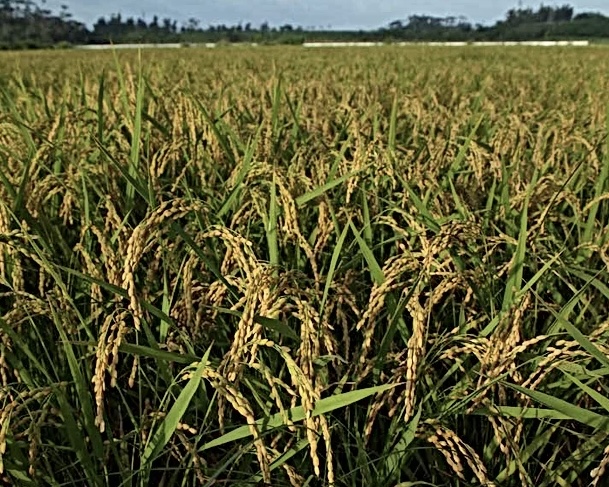
Thanks to the warm climate, which allows for two harvests per year, this region is known for offering the earliest new-crop rice in Japan. The first harvest takes place in June and July, followed by the second harvest in October and November. Okinawa’s “Hitomebore” is also “the earliest new-crop rice to go on sale in Japan,” with shipments beginning in June. The grains have a lustrous sheen and are slightly soft in texture. Although the grains themselves are small, this rice has a distinct sweetness.
もとぶ牛 Motobu-Gyu
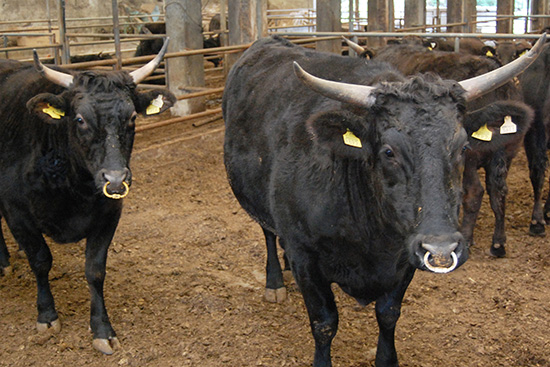
This is “Motobu Beef,” a representative breed of Okinawa’s black-haired Japanese cattle raised in Motobu Town. These cattle are raised on a unique fermented feed made from recycled brewing byproducts from Orion Beer, resulting in sweet marbling,
a melt-in-your-mouth texture, and a rich, full-bodied flavor.
Each caretaker is responsible for approximately 150 to 300 head of cattle, tending to them with care and checking their health daily.
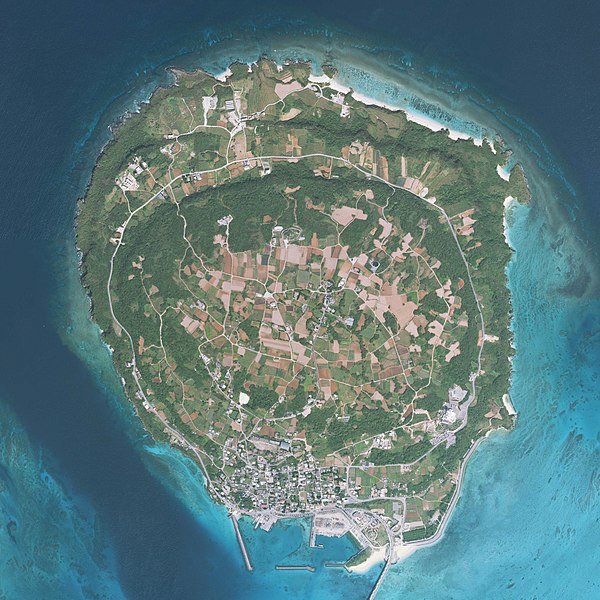
Introduction to Kouri Island
Population: approx. 350 people / Households: approx. 160 / Area: 3.17 km² / Perimeter: 7.9 km
Kouri Island has long been known in folklore as the “Island of Love” or the “Island of the Gods.” Chigunu Beach features the Cave of Beginnings, making it a place steeped in romance—it’s said the Heavenly Emperor first sent a man and woman (siblings) to earth (at Shirasu Cape on the island), earning it the alternate name Koi Island (Kui Island). This man and woman are considered the ancestors of Okinawa, making the island a place believed to be the birthplace of humanity.
Other sites include the Kourihara Ruins and Nakahara Ruins, with traces of human habitation dating back 3,000 years, indicating it was a favorable place to live since ancient times.
In 2005, the 1,960m-long Kouri Ohashi Bridge opened between Kouri Island and neighboring Yagaji Island, making it accessible by car from Okinawa Main Island.
It ranks as Japan’s second-longest free bridge (first being Miyakojima’s Irabu Bridge at 3,540m in 2015), 12th longest in Japan, and 99th longest globally (2022 data).
The island retains Okinawa’s original landscape with traditional old houses and sugarcane fields. Consequently, streetlights are scarce, offering stunning starry skies on clear nights. The sea side faces south on the left and west on the right.
In summer, the Milky Way (Tingara) rises in the east and moves southward. The white, hazy band is the Milky Way.
Autumn has the fewest bright stars. Looking up, you can see the Autumn Square (slightly distorted), hard to spot in cities. The Andromeda Galaxy might also be visible nearby.
Winter brings the Winter Triangle formed by Sirius, Procyon, and Betelgeuse, along with Canopus, visible from Okinawa.
Parts of the Southern Cross may also be visible.
In spring, follow the curve of the Big Dipper’s handle with your gaze east to south. The orange Arcturus and pale blue Spica form the Great Spring Curve. Connecting Denebola completes the Spring Triangle.
Fireflies can sometimes be seen on Kouri Island.
Okinawa firefly larvae live on land, so they fly even away from rivers. They can be seen in damp areas, fields, and mixed woodlands.
Black Rock Firefly (late April to mid-May) flashes yellow
Okinawa Striped Firefly (May-June, September-October) emits blue-green light in streaks
Some Okinawan firefly species have weaker adult light, with the larvae emitting stronger light.
If you see light on the ground or among fallen leaves, it’s likely the larvae of the Okinawa Madobotaru.
Larvae of the Yaeyama Madobotaru (an introduced species to the prefecture) can also be found.
Additionally, you might spot the Giant Swallowtail, one of Japan’s largest butterflies.
The Giant Swallowtail larva feeds exclusively on the toxic leaves of the plant “Hourai Kagami”. Even as adults, this toxin remains in their bodies, making them unpalatable to birds. This is why they fly so gracefully, fluttering softly through the air.
Winter brings whale season.
Humpback whales, which inhabit Siberian waters, arrive in Okinawa’s warm seas from around December to early April to give birth and raise their young. With luck, you might even spot them from here. Whale watching boats depart from various locations.